
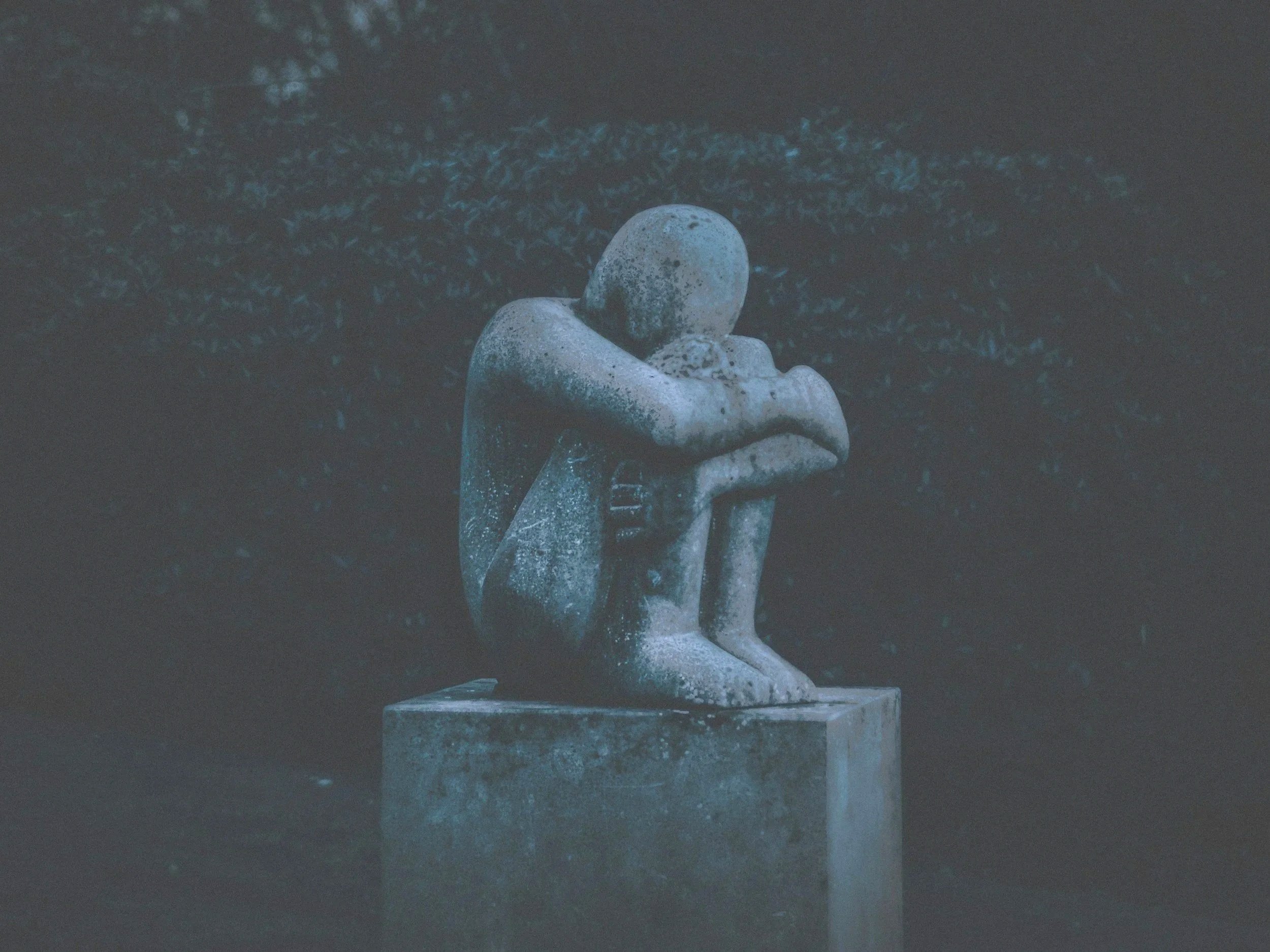
Grief and Loss
Many people have heard about grief, but usually when talking about the loss of a person. The truth is, we can (and do) grieve the loss of anything that was important to us - including a beloved animal.
Some animal owners even report that the loss of their animal was, in some ways, more difficult to bear than the loss of a person. Many times, our animals are part of our daily routines, rituals, and traditions. The paw at the door. The morning potty walk. The jingle down the hallway. The greeting when we get home. The cozy lump at the foot (or in the middle) of the bed. Gone. Still. Silent. The unique ways in which our animals are intertwined with our lives creates a deep, special bond, but it can be devastating, unsettling, and disorienting when a creature that was part of our everyday lives is suddenly gone.
An animal-shaped hole is left behind when they pass, and somewhere in that hole is grief.
Society has begun to acknowledge the important role of animals in our lives and the special bonds we share, but the grief from losing a companion animal can still feel disenfranchised - not acknowledged or openly discussed, lonely, even shameful. Losing an animal can feel just like losing a human household family member. There is no shame in reacting naturally to such a tremendous loss.
What happens during the grieving process?
Grief is the sadness and emotional suffering caused by a significant loss. It’s deeply personal and unique, and there is no single correct way to grieve or right method to heal. Though no two people experience loss in the exact same way, the stages of grief tend to follow a general pattern.
Acute grief is the intense, all-encompassing physical and emotional reaction that occurs immediately after a loss, like after the loss of your companion animal. This grief triggers your brain’s alarm and pain centers, flooding your body with stress hormones as a way to process trauma and adjust to the situation.
Acute grief can be experienced in many different ways. It’s common to feel overcome with sadness or to experience feelings of shock and/or numbness. You may experience strong waves of yearning and longing for your beloved animal. You might cry a lot. You may be easily triggered by pictures, memories, and special items left behind. You may replay the events surrounding the loss in your mind. You might experience physical disruptions, like trouble sleeping, low appetite, headaches, or a heavy chest. You may even struggle with activities of daily living. It’s okay. You’re not crazy. This can be normal in the beginning.
The pain can feel unbearable and deeply distressing in the earliest days as you navigate life without your animal. Many describe this period as the most raw, agonizing stage of the grieving process, but there is good news. These days won’t last forever.
Over time, acute grief gradually eases into integrated grief. Integrated grief occurs when your mind and heart adapt to the loss of your animal over time. The grief still lingers, but the sharp, all-consuming pain in the beginning will fade into lighter moments of sadness in the background. Instead of a tsunami of emotion, these moments of sadness will come and go like waves, slowing down as time passes.
Memories will gradually become bittersweet rather than disabling as you find comforting ways to remember and feel connected to your animal. Your sleep, appetite, and ability to engage in daily activities will improve as you build a new normal and adapt your identity to a life changed by your loss. Though you might not feel quite the same, you will experience joy, pleasure, and satisfaction in life again.
There is hope and happiness after the loss of your animal.
Moving forward, not moving on
Grieving isn’t simple or linear, and some debate whether the process ever truly has an end. Heavy feelings can still return unexpectedly, on holidays or anniversaries, or on quiet days when we still listen for their trot down the hall. We won’t ever forget the loss, but healing doesn’t have to mean forgetting. We don’t want to forget our beloved animals and all of the joy they brought to our lives. We are forever changed by them. It’s difficult to move on as if our special bonds never happened.
We like to focus on moving forward, not moving on.
Instead of working towards an end goal of closure or detachment, or leaving the past in the rearview mirror, moving forward means taking the love, memories of our animals, and reality of what happened with us into each new day. Rather than leaving our animals behind, we focus on integrating them into our lives in a different way. While we of course wish they were still here with us, we find new ways to connect with them and keep their memories alive. We accept that we are changed, and we honor this by remembering the special impact our animals had on our lives. Over time, we learn to grow around the grief we carry.
People tend to believe that grief shrinks over time.

What really happens is we learn to grow around our grief.

We move forward, together with the memories of our beloved animals, and leave space for the loss that will forever be a part of us - a precious reminder of the love we still share.
For more information on grief:
What to Expect in Early Grief: The First 6 Months After Loss
https://blog.partingstone.com/what-to-expect-in-early-grief-the-first-6-months-after-loss/Loss of a Pet: Grief and Bereavement
https://vcahospitals.com/know-your-pet/grief-and-bereavement---loss-of-a-petThe Unique Stages of Grief: Losing a Pet After 15+ Years
https://paigerechtman.com/stages-of-grief-after-losing-a-pet/5 Stages of Grief: Coping with the Loss of a Loved One
https://www.health.harvard.edu/mind-and-mood/5-stages-of-grief-coping-with-the-loss-of-a-loved-oneThe Stages of Grief and What to Expect
https://www.healthline.com/health/stages-of-griefThe Unique Stages of Grief: Losing a Pet After 15+ Years
https://paigerechtman.com/stages-of-grief-after-losing-a-pet/
“What we have once enjoyed we can never lose; all that we have loved deeply, becomes a part of us.”
-Helen Keller